

SERVICES

The Atlantean Approach
Inpresseon can provide services on an agency, consultancy, or individual project basis. Of course, in an age of AI search, e-commerce, walled social media gardens and more, it is important to maintain consistent messaging wherever your brand interacts with audiences.
For optimal results, we provide a strategic 10-step framework for marketing success. This is known as the ‘Atlantean Approach’, because it enables organisations to build joined-up communications from the inside-out, growing awareness, reputation, engagement, revenues and ROI along the way.

Step 1: Product Marketing
‘Begin with the end in mind’ is one of the ‘7 Habits of Highly Effective People’ named in Stephen Covey’s 1989 book of the same name - and it’s as relevant today as it’s ever been!
The key to getting your overall marketing right, is to first get your product marketing right, and this involves developing a clear understanding of: what your audience is looking for, how your products & services can meet those specific needs, and how best to package up these offerings to standout in a crowded marketplace.
Strong core messaging provides solid foundations for building out broad brand resonance.
Step 2: Content Creation
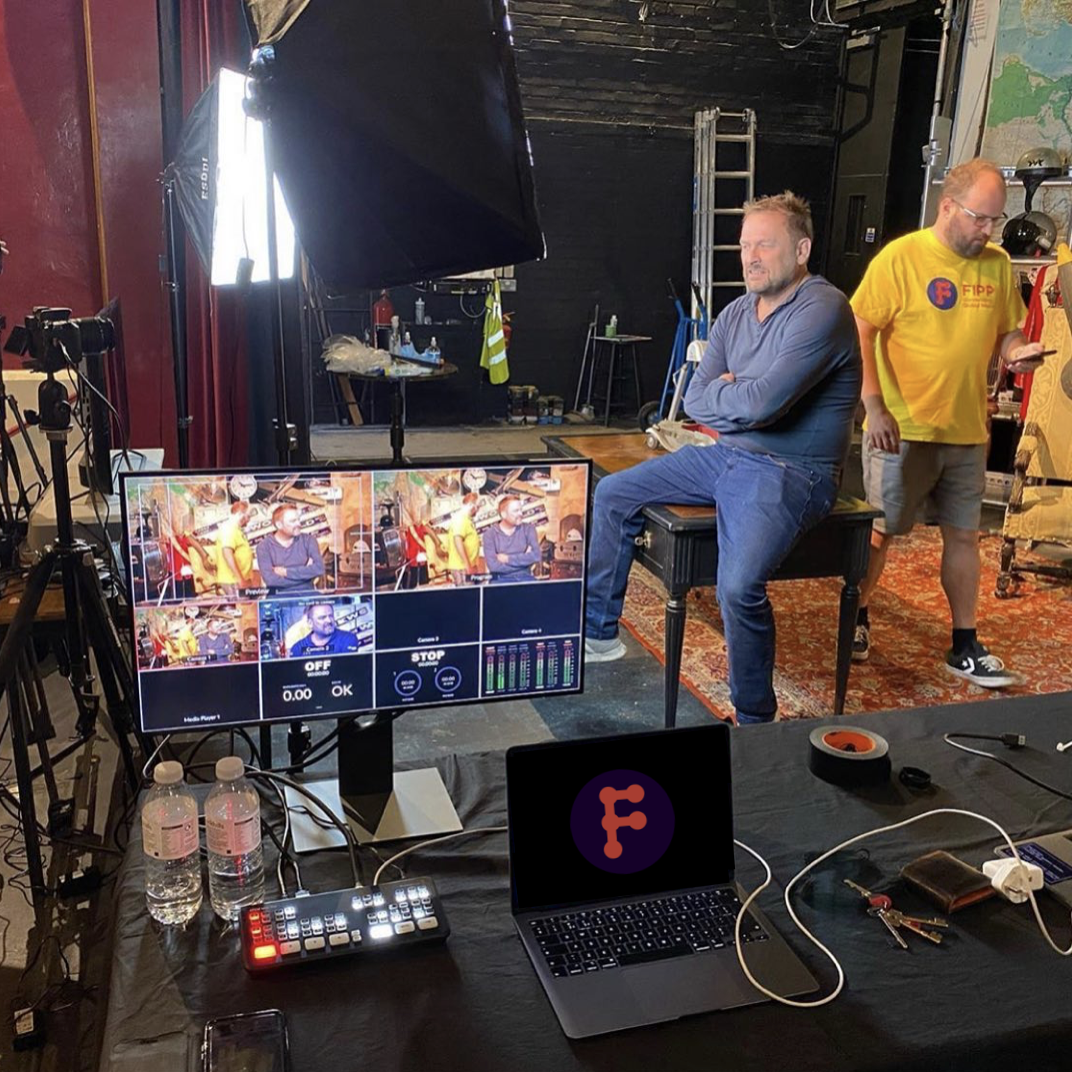
Once you have a clear concept of your core offering, it’s time to create quality content around it.
This usually begins life as a blank canvas in the form of a simple word doc or deck, used to sketch out strategic narrative, before evolving into videos, ads, press releases, podcasts, newsletters, reports, presentations, etc.
It’s useful to keep in mind that individual customers consume content in different ways, and indeed that unique platforms lend themselves to particular formats. As long as communications remain clear and consistent throughout, messaging can be amplified in many different ways.

Step 3: Internal & Stakeholder Comms
One of the most important components of modern marketing is internal & stakeholder comms. In the first season of Game of Thrones, King Robert Baratheon asks, “What’s the bigger number, five or one?” highlighting the effectiveness of a single united army vs a range of disparate entities.
Before your brand hits the public domain it is essential that everyone is on the same page internally, from executives and board members, to junior staff and suppliers, and even existing customers. This isn’t just essential to your creative output - in an age of social media and individual reach, your immediate circle becomes your biggest brand advocate.

Step 4: Public Relations
Once your brand does hit the public domain, it becomes notoriously difficult to completely ‘control the message’. At this point, the emphasis shifts to influencing perspectives, and it’s a good idea to start proactively with reputation management, keeping crisis comms in the back pocket for when it’s needed!
It’s also helpful to take a ‘press first’ approach to all external comms, because journalists, influencers, and associations still appreciate a heads-up on emerging stories, and can have a huge impact on the size and sentiment of your audience.
Over time, through quality content and responsive comment, it is possible to establish thought leadership within a sector.

Step 5: SEO
Having done your due diligence through your digital rolodex, it’s time to take publication into your own hands.
This is where the branded website still plays a key role in communications, providing a public noticeboard upon which you can publish your own information, in a way that gives you direct agency over how it’s presented and consumed.
Of course, with the advent of AI, the emphasis of SEO has shifted from ‘Search Engine Optimisation’ to ‘Site Engine Optimisation’, and by creating accessible content relevant to broad audiences, organisations can significantly increase their chances of appearing in all forms of results.
Step 6: Social Media
A lot of people wince before taking this step of the journey, because we know that in 2026 most of the main ‘social’ channels have become anything but…
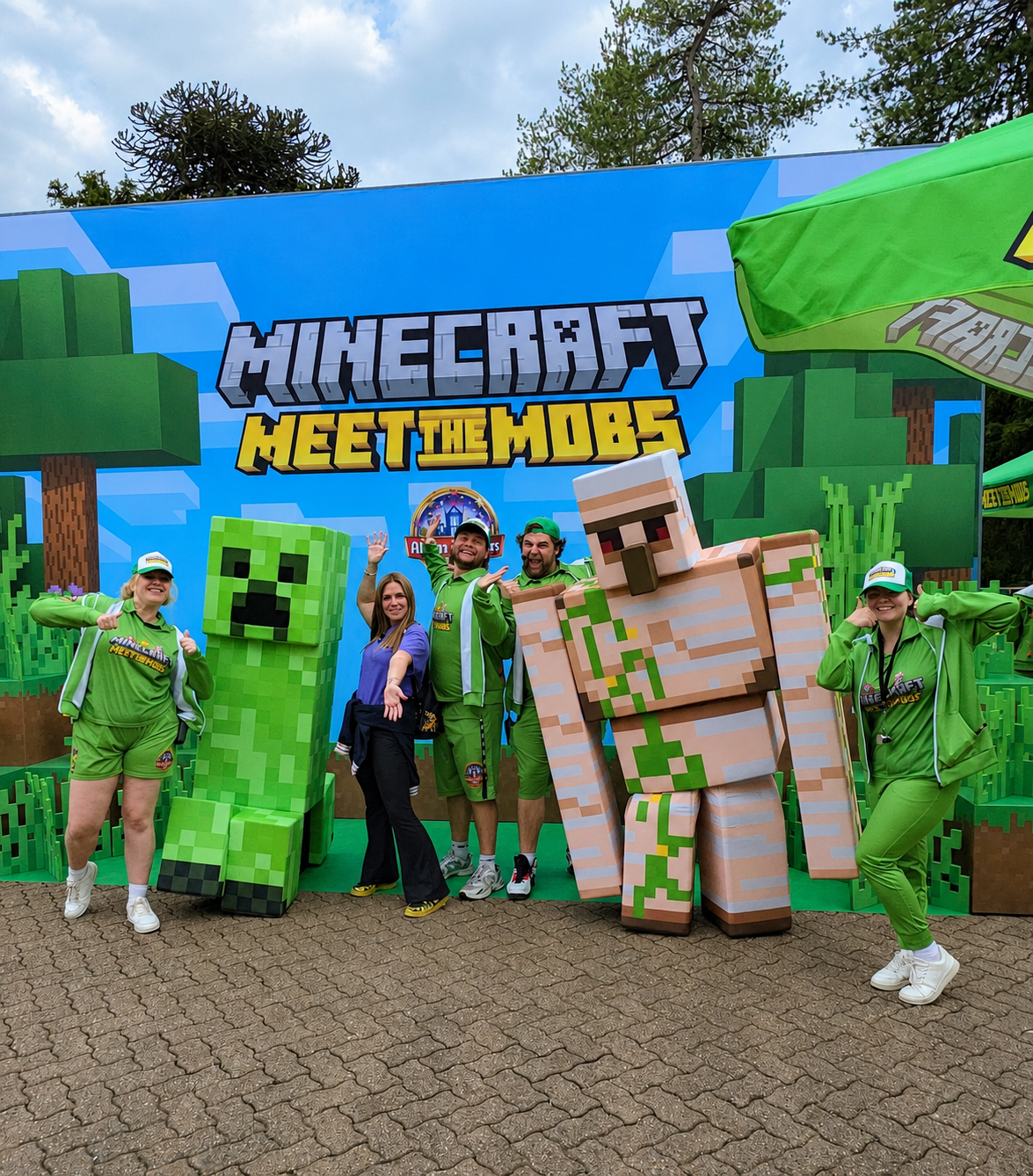
But when we say social media, what we really mean is media that’s social, and this can include anything from the content you give to journalists, to groups and membership platforms, and beyond to the direct relationships you forge with audiences through mediums like newsletters and podcasts.
By creating clear messaging, and delivering it in a joined-up way, social media - including the main networks - can be a great amplification and engagement tool.
Step 7: Direct Marketing
Once strong content offerings and communications networks have been established, it’s time to head out into the wider world at full speed, looking for new opportunities, and it’s here that direct marketing comes into play.
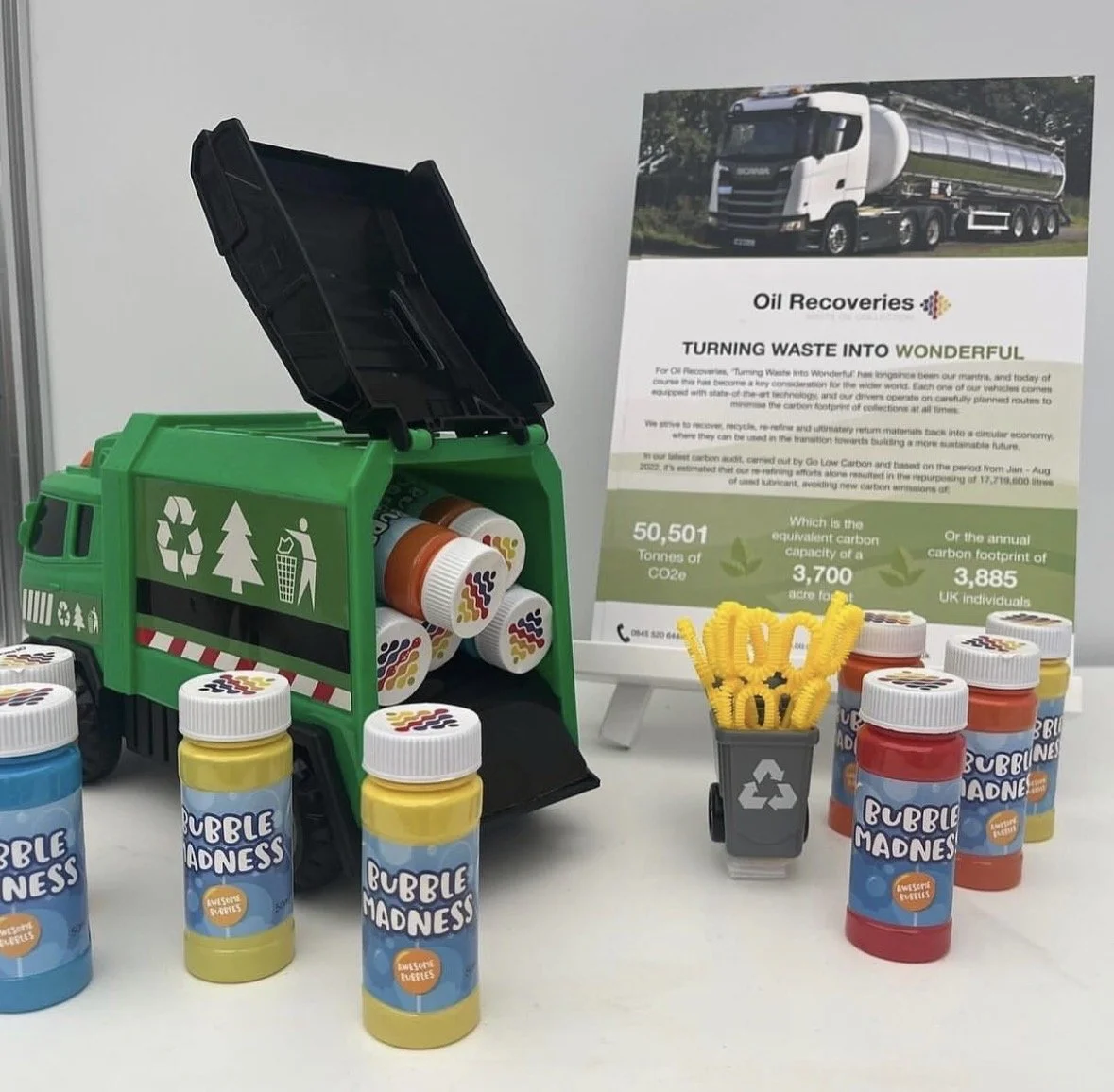
This can include anything from email campaigns, to personalised physical mailouts, merchandise, or indeed picking up the phone to make a sales call.
It’s also in the area of direct marketing that we find more practical applications of AI and broader software advancements beginning to make a notable difference, bringing enhanced automation, lead generation, CRM systems, and outreach.
Step 8: Events
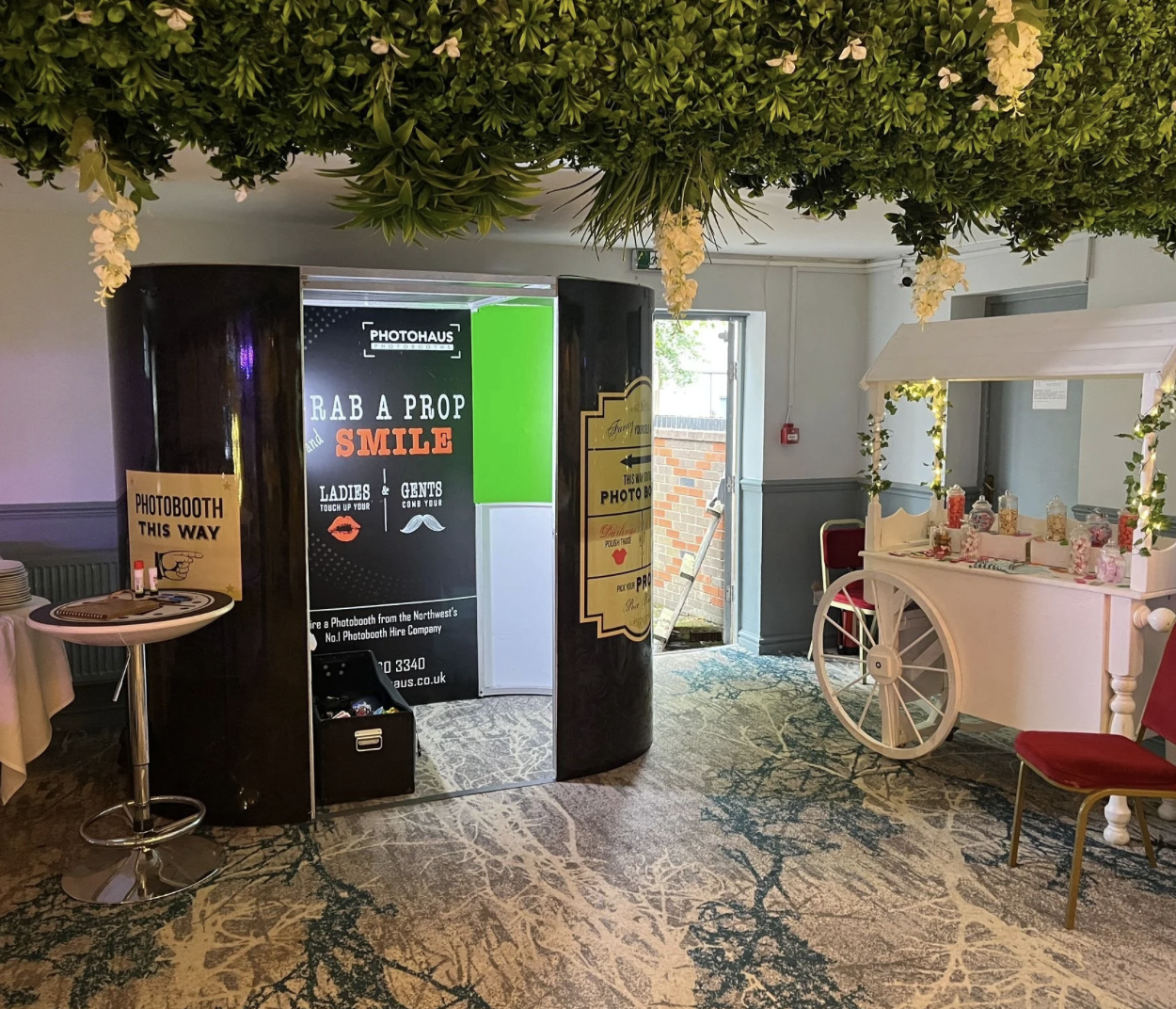
Sending an email or speaking to someone over Zoom is great, but there’s nothing like in-person interaction, and in recent years we’ve seen a resurgence in the popularity of real-world events.
It can be something as simple as a coffee meet-up, or walking the floor of an exhibition hall, right up to taking a stand or speaking slot at a conference, or even running your own convening.
Events also represent the point at which organic activities transition into paid spend, because from basic travel costs, through to marketing and sponsorship, setting your sites on physical presence requires at least some form of investment.

Step 9: Advertising
In simplified terms, we can think of this 10-step strategy as a way of linking up the 3 key stages of: content, communications, and commercial development.
In other words you create quality content, communicate that as far and wide as you can organically, and then and only then do you consider putting down some paid spend, in order to amplify these activities.
This can come in the form of traditional display advertising, advertorial, PPC, performance marketing, social amplification, e-commerce, the afore-mentioned events, etc. and when approached in a quantitative way, can yield significant results.

Step 10: Analytics
At the end of the process, usually at the end of each month, we sit down and analyse the results. What worked well? What needs strengthening? Was there a particular press release or social post that really resonated? Are we working to optimal CPC rates? And so on…
All of this information - as well as more qualitative forms of feedback - can then be dovetailed with an organisation’s wider sales and operational data.
It’s then used to determine the next round of activities in the next cycle of the process, and over time allows us to track and enhance effectiveness, efficiency, and ultimately ROI.